
June Cottage Escape: Save 20% on select June stays. View the Special

Top Fall Foliage Hikes Near Landrum SC for Stunning Views

February 24, 2026

Fall Foliage Hikes Near Landrum, SC: Best Trails for Peak Colors 2026

Discover the best fall foliage hikes near Landrum, SC. Explore scenic trails like Blue Wall Preserve and Waterfall Loop for breathtaking autumn colors.

The Allure of Fall Foliage in South Carolina

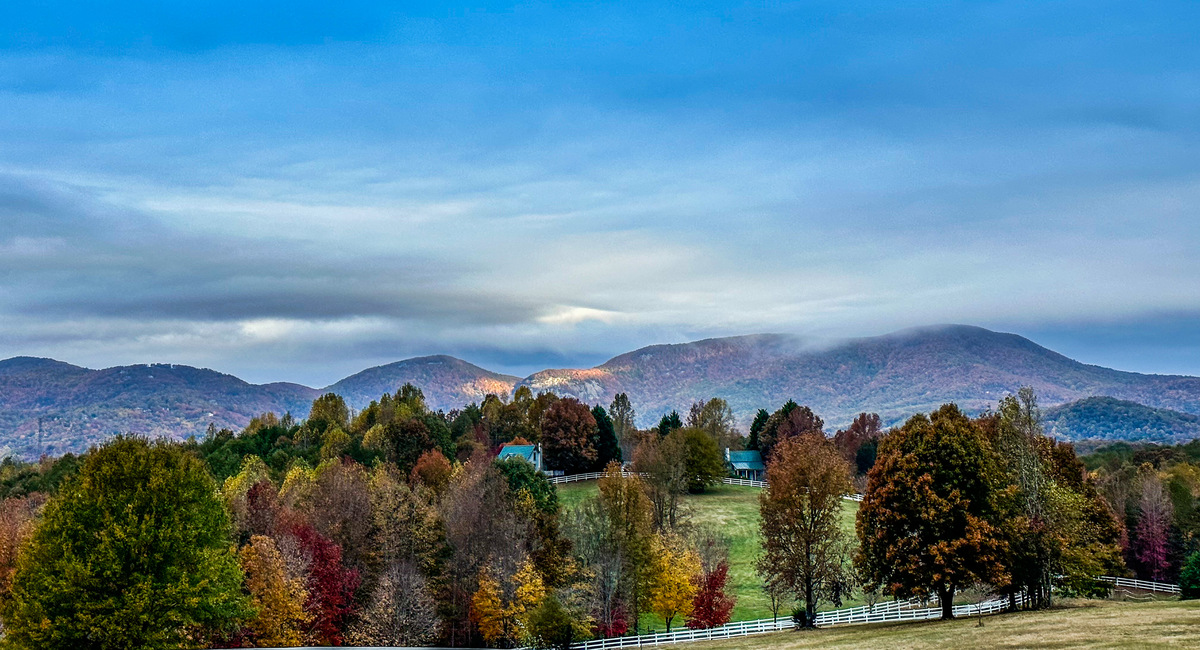
October paints South Carolina's uplands with vibrant shades of amber, crimson, and gold, drawing thousands to experience its natural beauty. Unlike the crowded Blue Ridge Parkway, Landrum’s trails offer a serene escape, showcasing the unexpected autumn splendor along the Southern Blue Ridge Escarpment.

This escarpment marks the transition from mountains to piedmont, providing ideal conditions for fall foliage. Cool mountain air flowing through hardwood forests results in earlier, more vivid color changes compared to the lowlands. According to South Carolina Parks, the peak foliage period in the upstate occurs from mid-October to early November, though this varies with elevation and microclimates.

Hiking enthusiasts encounter a variety of trails, each offering unique experiences. Not all paths provide sweeping vistas or the diverse tree species that create memorable autumn colors. Some trails meander through evergreen corridors, while others open onto ridgelines that reveal a full tapestry of seasonal hues.

Choosing the right trail to match your preferences is essential. Whether you seek panoramic views from exposed ridges, intimate woodland experiences beneath golden canopies, or waterfalls framed by scarlet maples, knowing which trails offer these experiences—and when to visit—can transform a pleasant walk into a memorable foliage adventure.

Why Timing is Everything: When to Plan Your Fall Foliage Hikes

Timing can turn a mediocre hike into a spectacular one. Peak fall colors in Upstate South Carolina usually arrive between mid-to-late October, with higher elevations showing color first—typically around October 10-15—followed by lower elevations into early November. South Carolina Parks provides weekly updates on changing conditions across the state, which are invaluable for planning your visit.

Weather patterns significantly influence the intensity and duration of fall colors. Warm, sunny days paired with cool nights produce the most vibrant displays, with deep reds in maples and brilliant yellows in hickories. An early cold snap or prolonged drought can dull the colors or shorten the peak window. Generally, a dry September followed by moderate October temperatures ensures the most reliable color show along Landrum’s hiking trails.

The Important Bird Area designation for several Upstate preserves enhances fall hiking, as migration season aligns with peak foliage. However, this also attracts significant crowds to popular overlooks, especially on weekends.

Optimal hiking conditions involve more than just colorful leaves. Morning temperatures of 40s-50s°F make for comfortable trekking, while afternoon highs in the 60s-70s°F minimize the need for layering. Trail surfaces are usually dry, as summer's humidity has passed but winter's ice hasn't yet formed. Plan for earlier sunsets; by late October, starting hikes by 9 AM ensures ample daylight for longer routes.

Top Landrum SC Trails for Peak Fall Colors

Three state parks form the core of fall foliage viewing near Landrum, each offering unique terrain and stunning autumn displays within a short drive.

Caesars Head State Park anchors the region's fall hiking scene. Its 2,000-foot elevation drop creates a microclimate that enhances color displays. The park's signature overlook offers sweeping views across three states, with hickories and oaks turning first at lower elevations, while maples and birches retain their crimson hues higher up. The overlook is easily accessible via a short paved trail from the parking area, catering to those seeking dramatic vistas without strenuous effort. However, seasoned hikers can explore backcountry trails for even more spectacular color corridors.

Table Rock State Park presents a different challenge. The 3.4-mile round trip to the summit gains 2,000 feet of elevation through dense hardwood forests that explode with color in mid-October. Hickory nuts crunch underfoot as the trail switchbacks through oak groves, where filtered sunlight creates an amber glow that photographers cherish. The rocky summit delivers 360-degree views—on clear days, you can see the Blue Ridge Parkway's distant ridgeline.

Jones Gap State Park offers the most diverse ecosystem. The Middle Saluda River corridor creates a riparian zone where moisture-loving maples and river birch provide intense yellows and oranges against evergreen mountain laurel. The Jones Gap Trail follows the river for 5.4 miles, offering gentle grades perfect for families while delivering continuous peak fall colors. According to South Carolina Parks, Jones Gap consistently ranks among the state's top autumn destinations for its extended color season and reliable water features that enhance photographs.

The Red Horse Inn Trail System adds another dimension to the hiking experience in the Blue Ridge foothills. This private trail network offers 10 miles of secluded paths that wind through the scenic landscape. The trails at The Red Horse Inn provide a more intimate setting for leaf-peeping, with fewer crowds and a tranquil atmosphere. These trails are perfect for those seeking a peaceful overnight retreat to enjoy the full spectrum of fall colors in a serene environment.

Caesars Head State Park: A Deep Dive

Caesars Head State Park, with elevations reaching 3,208 feet, experiences peak foliage 7-10 days earlier than lower-elevation trails. This elevation advantage makes it one of the best fall hikes in Upstate SC, typically peaking in mid-October when valleys below are just starting to turn.

The Raven Cliff Falls trail is the park's signature autumn experience—a 4.4-mile out-and-back journey descending 1,000 feet through mixed hardwood forests ablaze with color. The trail rewards hikers with views of a 420-foot cascading waterfall, framed by crimson maples and golden hickories. However, the trail's challenge lies not just in its length but in its steep, technical descent, which becomes treacherous on wet leaves.

For a shorter alternative, the Blue Wall Preserve hike offers 1.8 miles of moderate terrain with breathtaking color displays and fewer crowds. This preserve's accessibility makes it ideal for families or those seeking a less strenuous option while still experiencing premium fall colors.

Safety considerations at Caesars Head are crucial: the combination of steep grades and loose rock demands proper footwear with aggressive tread. Morning dew and afternoon mists create slick conditions that last longer at this elevation. Smart hikers start early, carry trekking poles for the descent, and allow extra time for the cardiovascular challenge of the return climb.

Table Rock State Park: Scenic and Accessible

Table Rock State Park, located 23 miles southeast of Landrum, offers one of the most dramatic summit experiences in Upstate South Carolina. The 3,124-foot granite monolith provides panoramic views across three states, with ridgelines ablaze in crimson, orange, and gold during peak season.

The Table Rock Summit Trail is a challenging 6.8-mile round trip with 2,000 feet of elevation gain. Most hikers complete the ascent in 2.5-3.5 hours, with a slightly shorter return descent. The trail begins gently through mixed hardwood forest before transitioning to steep switchbacks with exposed rock faces in the final mile. According to South Carolina Parks, this trail typically reaches peak fall color in late October, making timing your visit crucial.

The ecological diversity sets Table Rock apart. Mountain laurel and rhododendron create dense thickets along the lower sections, while chestnut oaks and scarlet oaks dominate mid-elevations, producing the most vibrant autumn displays. Near the summit, Table Mountain pine—a rare species found only in this region—clings to rocky outcrops. White-tailed deer frequent the lower trails at dawn, while ravens soar along the cliff faces above.

For those seeking spectacular mountain views paired with accessible facilities, Table Rock balances challenging terrain with well-maintained infrastructure. The park offers a rugged alternative to other area trails, though Jones Gap State Park provides equal beauty with less demanding options for varied skill levels.

Jones Gap State Park: A Natural Wonderland

While popular destinations like Table Rock and Caesars Head draw significant crowds, Jones Gap State Park—15 miles southeast of Landrum—offers a quieter alternative for solitude seekers. The park's network of trails receives notably lighter traffic, particularly on weekdays, making it an ideal choice for hikers seeking peaceful immersion in fall colors.

Jones Gap delivers remarkable trail variety across 15+ marked routes spanning 4,000 acres of protected forestland. The Jones Gap Trail (5.4 miles one-way) follows the Middle Saluda River through a gorge lined with yellow birch and red maple, while the Tom Miller Trail (1.8 miles) provides a moderate climb through mixed hardwoods showcasing brilliant foliage. Beginners often succeed on the riverside paths, while experienced hikers tackle the challenging Rainbow Falls Trail connector.

The park's accessibility strengthens its appeal among Landrum hiking trails. A visitor center provides current trail conditions and foliage updates, while restroom facilities and ample parking eliminate common logistical frustrations. For those wondering how to hike Blue Wall Preserve and other nearby trails, Jones Gap serves as an excellent starting point—its lower elevation (1,000-1,500 feet) means colors peak approximately one week later than summit trails, extending your fall viewing window.

Jones Gap's stream-adjacent trails can become muddy following autumn rains. Waterproof boots are essential during wet periods, and trail conditions should be checked before departure for weekend getaway planning.

Example Scenarios: Planning a Perfect Fall Hike

Example scenario: A day trip for casual hikers looking for moderate trails

A family from Greenville plans a Saturday morning visit to Blue Wall Preserve, departing at 8:30 AM to catch optimal lighting. They tackle the 2.8-mile loop trail at a relaxed pace, spending two hours on the trail and another hour photographing the rock formations and golden canopy. After the hike, they drive 15 minutes to downtown Landrum for lunch at a local café, then attend one of the area's fall festivals if timing aligns. This fall foliage hike near Landrum requires minimal planning—just packed snacks, water, and basic gear.

Example scenario: A weekend getaway incorporating multiple hikes

A couple books Friday-to-Sunday lodging to maximize their fall color hikes in SC experience. Friday afternoon features a sunset hike at Jones Gap State Park (4.8 miles roundtrip to Jones Gap Falls). Saturday morning brings an early start for Table Rock's summit trail, allowing four hours for the challenging ascent and descent. They spend Saturday afternoon recovering and exploring local attractions, then Sunday morning delivers a leisurely walk through Campbell's Covered Bridge area before departing. This itinerary balances difficulty levels while providing recovery time between strenuous segments.

Example scenario: An adventure-focused trip for experienced hikers

Serious hikers target Caesars Head State Park's complete trail network over a three-day weekend. Day one tackles the Raven Cliff Falls Trail (4.4 miles) with its dramatic gorge views. Day two combines the challenging Naturaland Trust Trail segment with sunset photography at Caesars Head overlook. Day three explores Jones Gap's backcountry connections. This aggressive schedule demands proper conditioning, early starts, and strategic parking at multiple trailheads—but delivers the most comprehensive autumn hiking experience within 30 miles of Landrum.

Common Misconceptions About Fall Hiking

Fall foliage does not adhere to a single schedule across the region—even within a single park, elevation differences of just 500 feet can shift peak color timing by a full week. Trees at higher elevations typically turn first, which means mountain views often showcase peak colors while lower trails still display green canopies.

A common misconception is that autumn trails are automatically easier than summer routes. While temperatures moderate, trail conditions can become more challenging. Wet leaves create slippery surfaces on rock faces and wooden bridges, significantly reducing traction. Morning frost can persist on shaded north-facing slopes until midday, making early starts riskier than anticipated.

The mild weather paradox catches unprepared hikers off guard. A comfortable 65°F trailhead temperature can drop to 45°F at elevation, especially when afternoon wind picks up. Conditions at Blue Wall Preserve can shift dramatically within an hour as weather patterns move through the mountains.

Proper preparation remains essential despite autumn's reputation as "easy hiking weather." Layer systems, traction aids for steep descents, and headlamps for earlier sunsets prevent common fall hiking mishaps. The season's beauty should not overshadow practical safety considerations—successful autumn hikes require the same planning rigor as summer excursions.

Climate change is shifting peak foliage windows across the region. Studies from multiple universities indicate that warming temperatures are delaying autumn color changes by approximately 3-5 days per decade in the Southern Appalachians. This delay occurs because warmer fall temperatures postpone the breakdown of chlorophyll in leaves, the chemical process that reveals vibrant reds and yellows. For popular trails, peak fall colors now arrive closer to early November than mid-October, requiring real-time monitoring of foliage rather than relying solely on historical averages.

Visitor data highlights the economic significance of fall tourism. South Carolina's state parks report that October through early November accounts for approximately 40% of annual visitation at mountain locations, with Table Rock State Park alone seeing over 100,000 visitors during peak weeks. This surge in autumn tourism contributes an estimated $1.2 billion to South Carolina's economy through lodging, dining, and recreation spending—making fall foliage one of the state's most valuable seasonal attractions.

However, increased popularity presents challenges. Many trails experience capacity issues during peak weekends, with parking lots filling by 9 AM at locations like waterfall loop trail systems. Visiting mid-week or during early morning hours can help avoid crowds while still enjoying excellent color displays.

Research indicates elevation matters more than latitude for predicting foliage timing in the Upstate region. Trails above 2,000 feet typically peak 1-2 weeks earlier than lower-elevation hikes, creating an extended viewing season for those exploring multiple mountain destinations throughout October. Understanding these patterns helps maximize your chances of catching nature's most spectacular seasonal show.

Trade-offs and Alternatives: Exploring Other Trails

Popular trails deliver spectacular views but come with crowded parking lots and busy paths—especially during peak foliage weekends when Caesars Head and Table Rock can see hundreds of visitors daily. Lesser-known alternatives offer advantages worth considering.

Blue Wall Preserve is a compelling option, featuring moderate trails through hardwood forests where maples and oaks create vibrant displays. The preserve's reflective ponds hike provides a unique perspective on fall colors, with still water mirroring the canopy above—creating a doubled effect that photographers particularly appreciate. This 500-acre protected area sees significantly less traffic than state parks while maintaining excellent trail conditions.

The Red Horse Inn Trail System offers a peaceful alternative with its 10 miles of private hiking trails. These trails provide a serene environment for enjoying fall colors without the crowds, making it an attractive option for those seeking solitude and a closer connection with nature.

The trade-off between accessibility and solitude becomes most apparent on weekends. Popular trails offer well-maintained facilities, clear signage, and immediate help if needed. However, crowds diminish the sense of wilderness that many hikers seek. Lesser-known paths provide solitude but may lack amenities like restrooms or ranger stations.

Weekday visits reduce congestion by 60-70% across all regional trails, according to top-rated hiking trails usage data. Tuesday through Thursday mornings typically offer the best balance—sufficient daylight for safety, uncrowded trails, and the same peak colors. This timing particularly benefits photographers seeking unobstructed views and wildlife enthusiasts hoping to spot deer browsing through fallen leaves.

Consider proximity to Landrum when selecting alternatives. Trails within 15 miles allow multiple visits across the foliage season, letting you track color progression rather than relying on a single perfect day.

Key Fall Foliage Hikes Takeaways

Successful fall foliage hiking near Landrum hinges on timing—monitoring regional foliage reports from South Carolina Parks helps pinpoint when specific elevations reach their vibrant peak. The Mountain Bridge Wilderness fall foliage trails offer the region's most reliable color displays, with higher-elevation destinations like Caesars Head typically peaking in mid-October while lower trails follow 7-10 days later.

The diversity of trail options surrounding Landrum means every fitness level finds appropriate routes. Table Rock State Park delivers iconic summit views for experienced hikers willing to tackle challenging terrain, while nature preserves like Blue Wall Preserve provide gentler alternatives that still showcase brilliant autumn colors. The Red Horse Inn Trail System offers a unique blend of privacy and natural beauty, enhancing the foliage experience with its exclusive paths. Jones Gap serves as the middle ground with moderate ascents and waterfall features that enhance the foliage experience.

Preparation separates memorable hikes from problematic outings. Packing the ten essentials, wearing layered clothing, and arriving early during peak weekends ensures both safety and parking availability. The ideal fall hiking experience balances trail difficulty with personal capability—choosing routes that match your fitness level allows you to focus on the spectacular scenery rather than struggling with the terrain.


Error Message